

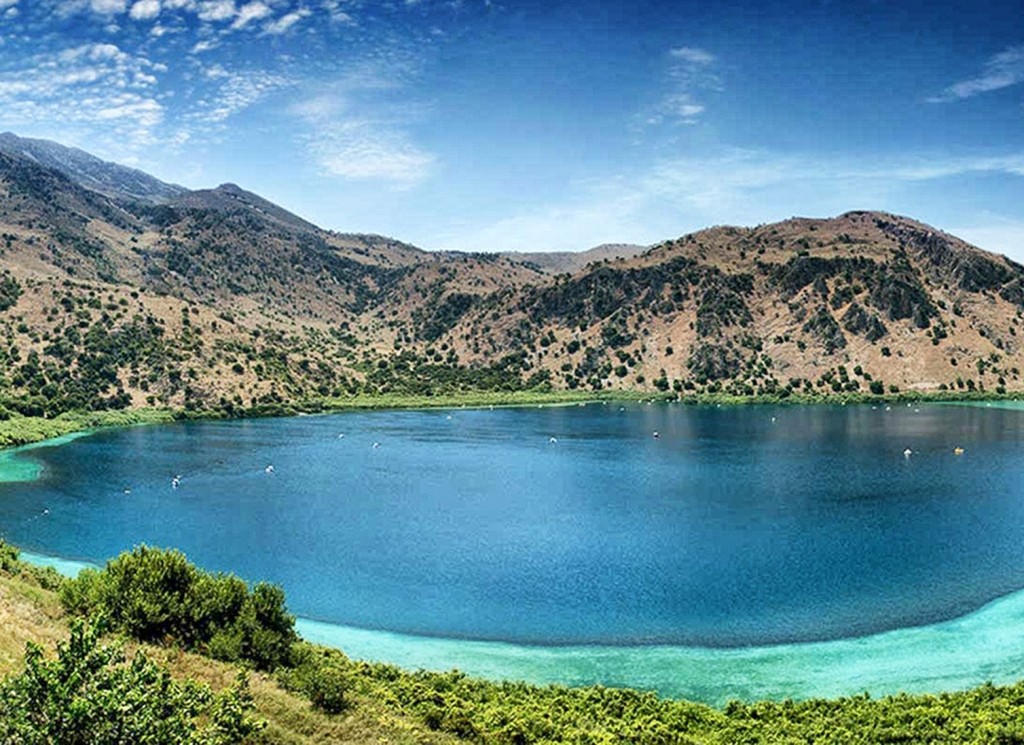
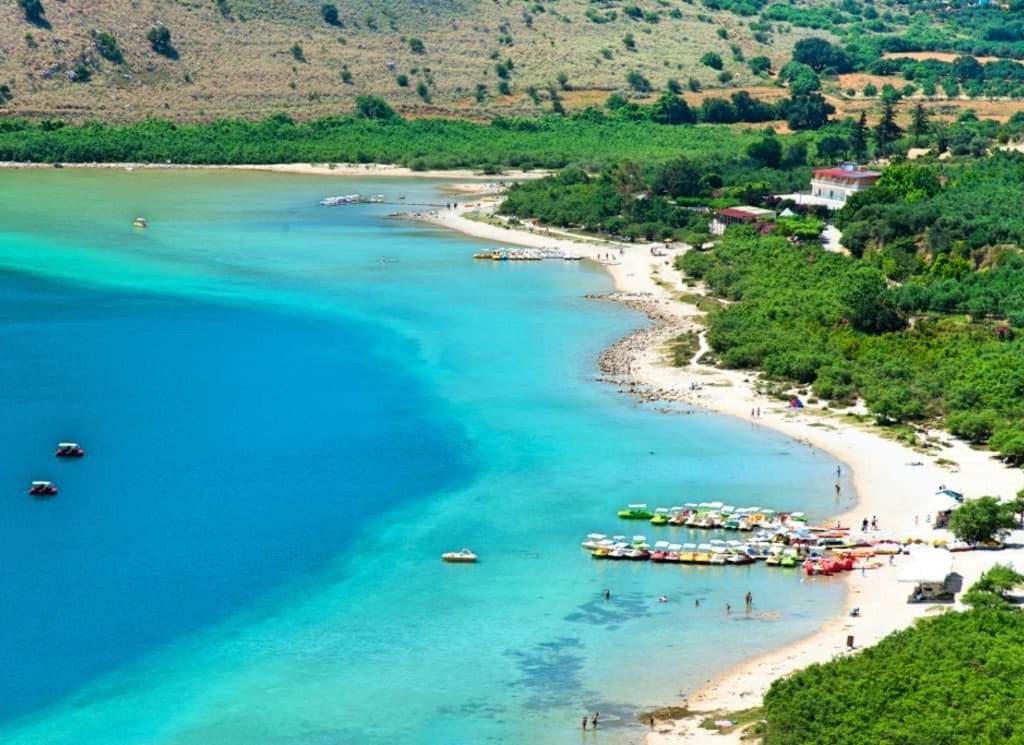
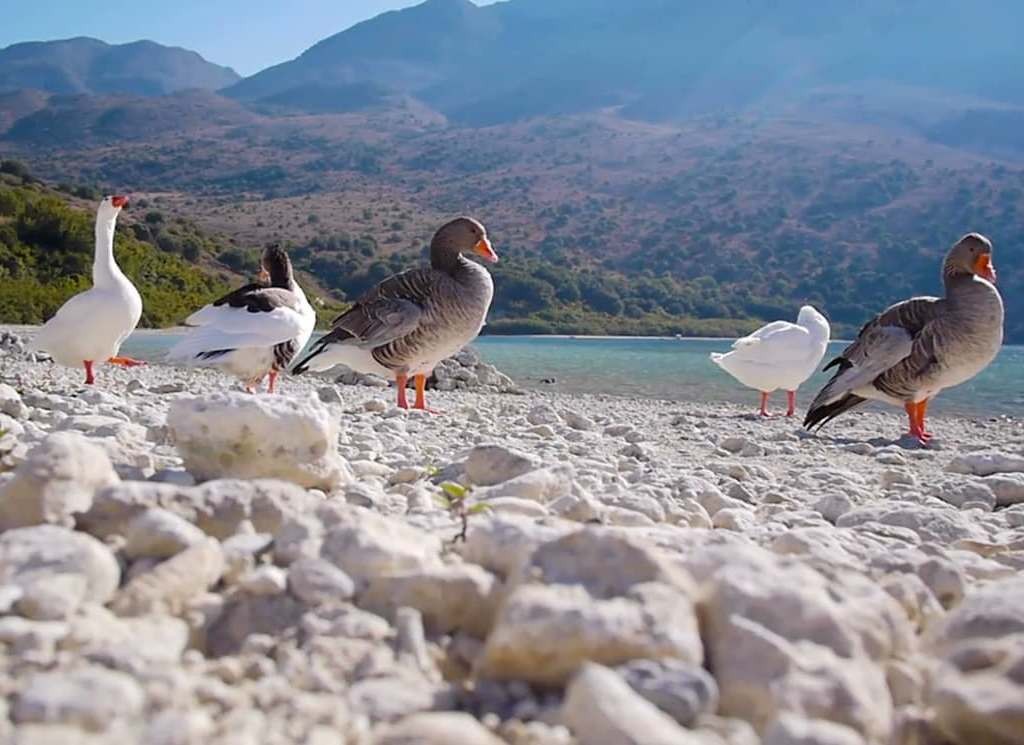
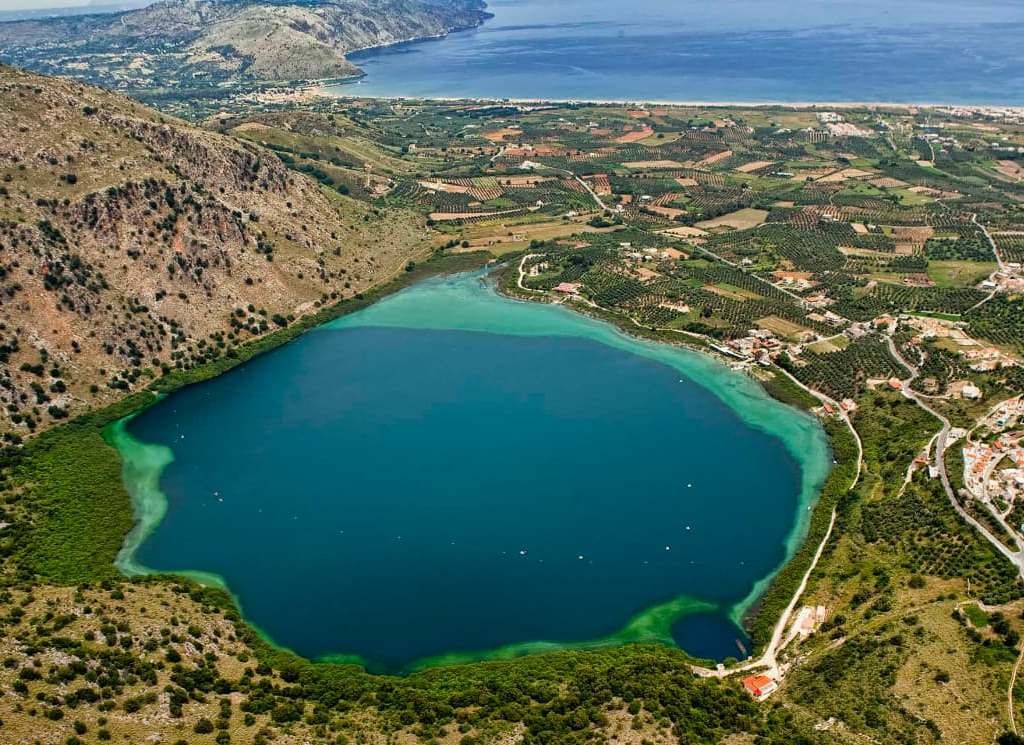
The dark waters of the lake impressed all visitors and residents, since for years everyone had been thinking of the lake as bottomless. Indeed travellers since the Middle Ages have spoken for the estimated depth of the lake with awe. The lake is an amazing wetland habitat. Its coast is lined with restaurants and cafes.
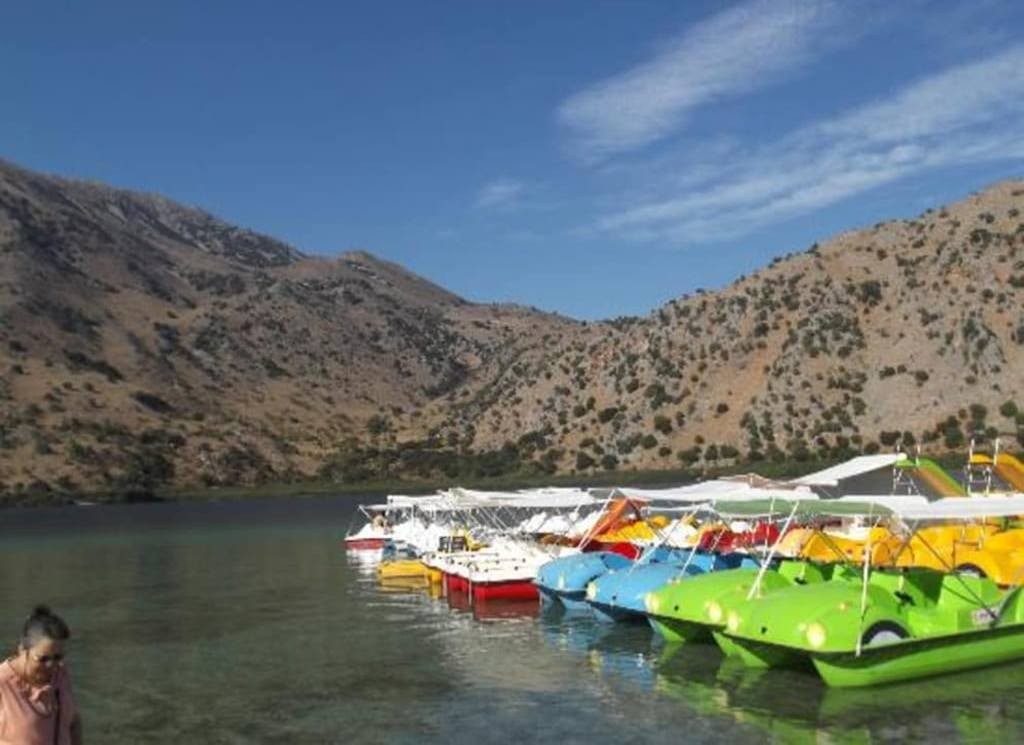
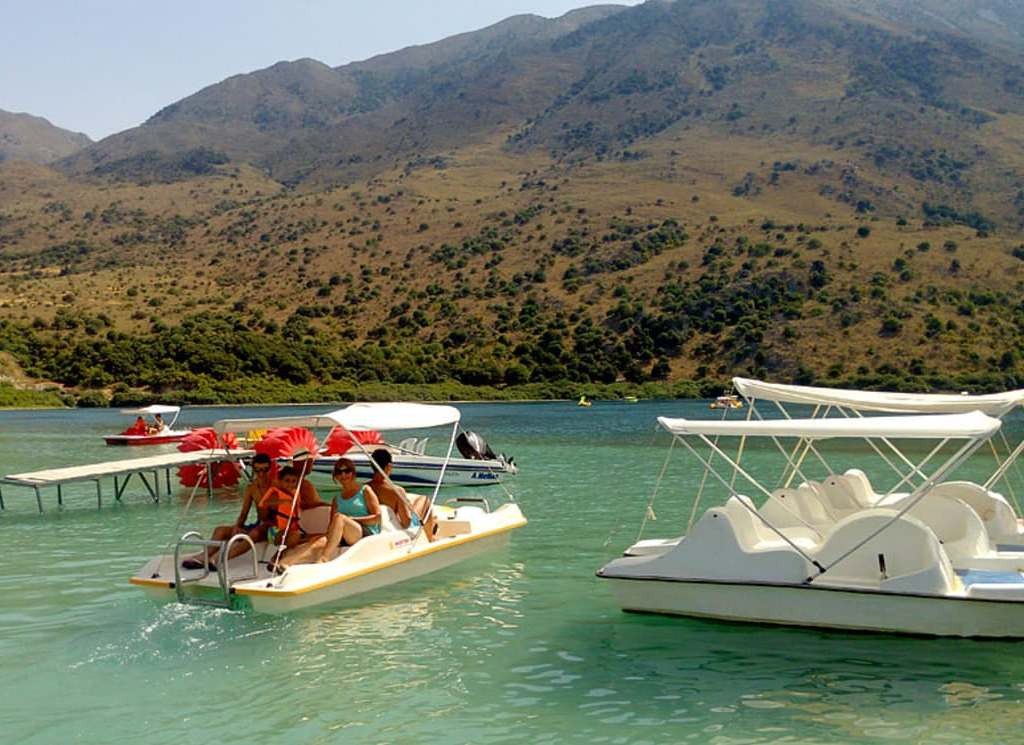
Swim in the clear waters. Canoes and pedaloes are available for those wishing to tour the lake.

Like many lakes, this one also has its own legend:
Don’t forget to watch the video

Ancient Lappa
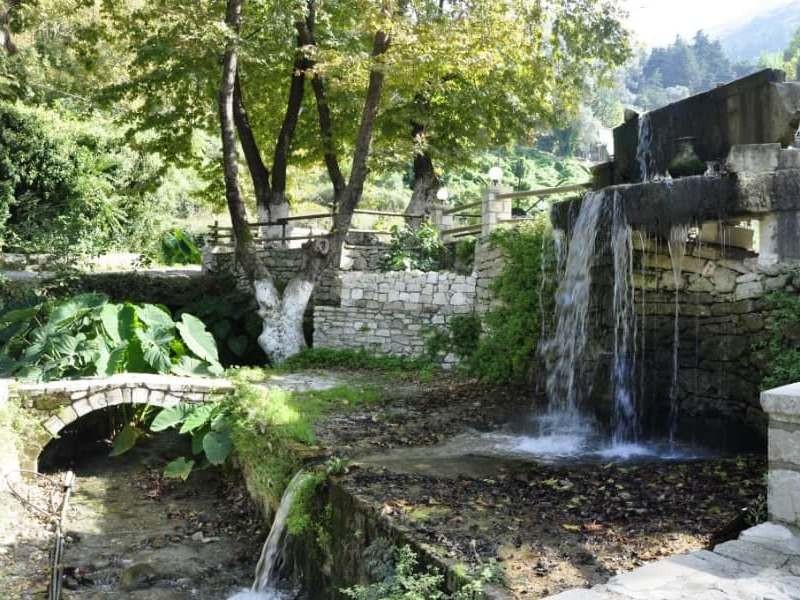
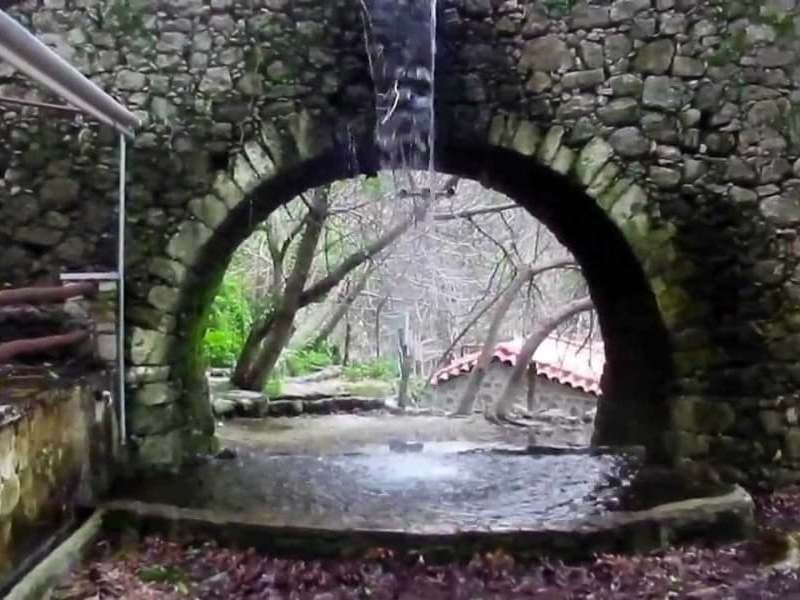
Don’t forget to watch the video

Take a break
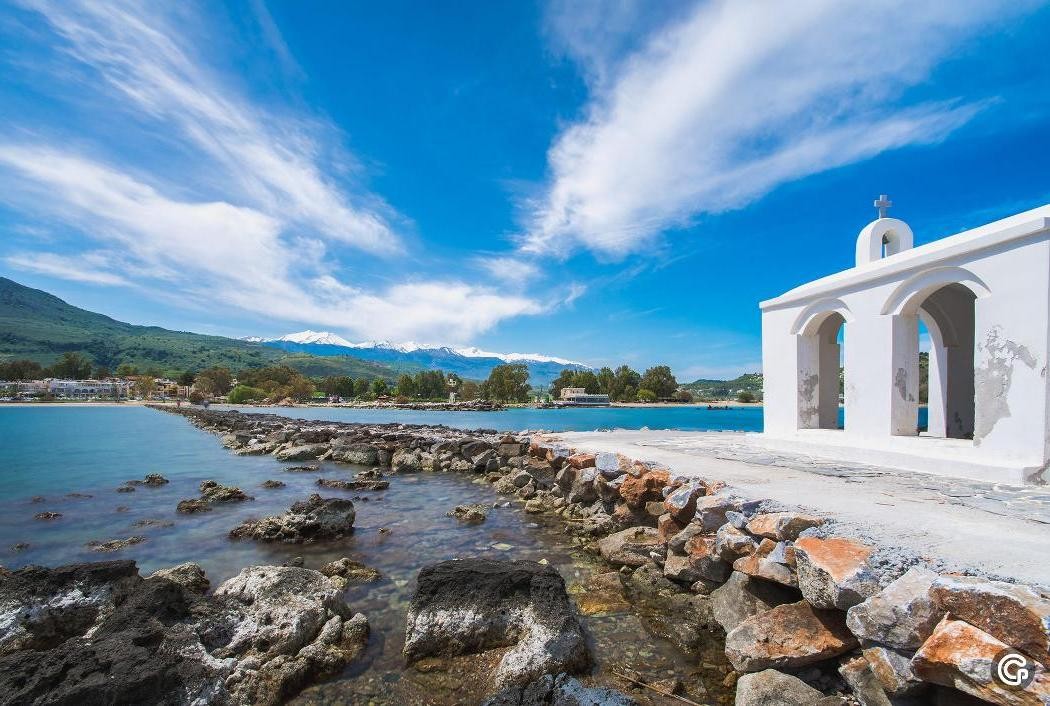
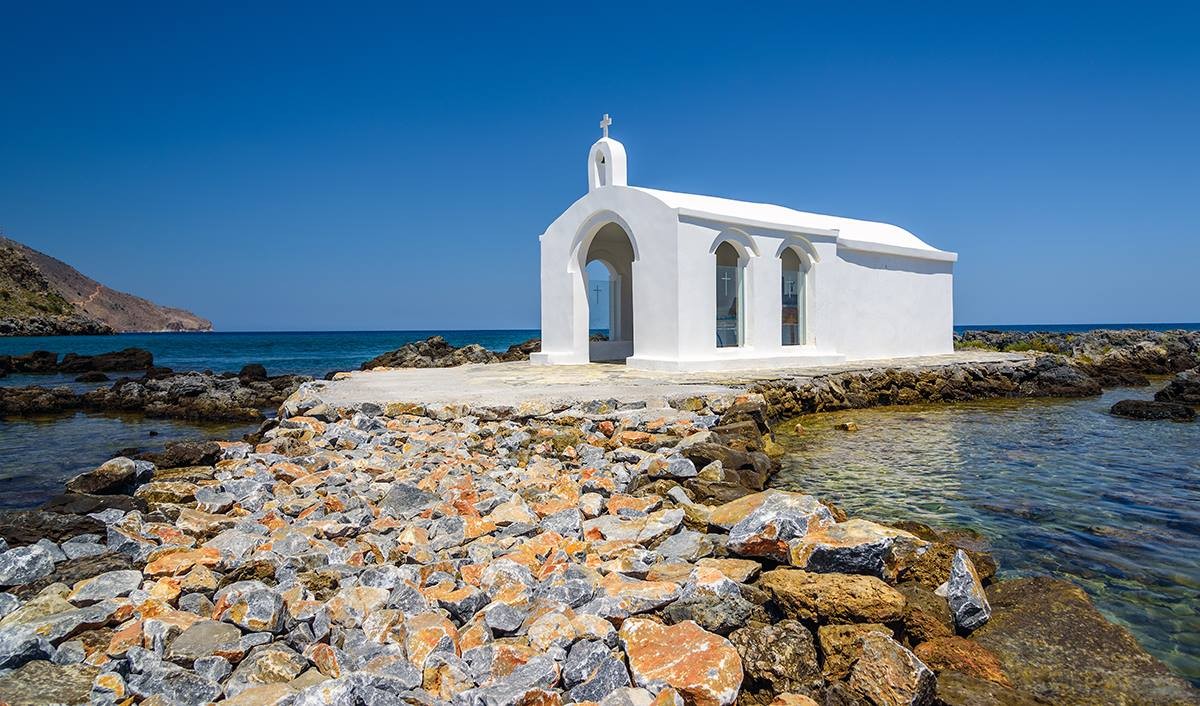
Don’t forget to watch the video

The ultimate traditional village!


Don’t forget to watch the video

From circa 1250 the city was the seat of the Latin Diocese of Retimo, which was renamed Retimo-Ario after the absorption in 1551 of the Diocese of Ario and as suppressed only after the Turkish conquest.

The city’s Venetian-era citadel, the Fortezza of Rethymno, is one of the best-preserved castles in Crete. Other monuments include the Neratze mosque (the Municipal Odeon arts centre), the Great Gate (Μεγάλη Πόρτα or “Porta Guora”), the Piazza Rimondi and the Loggia..


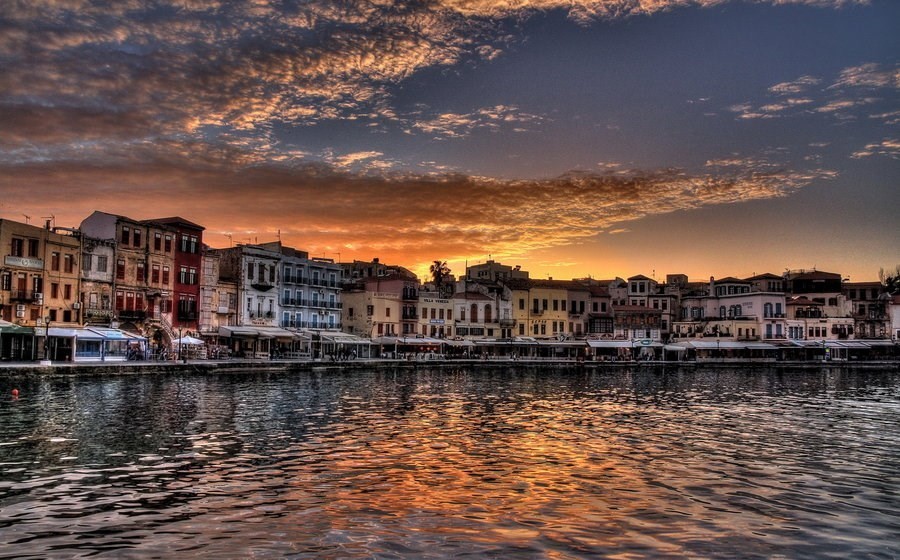
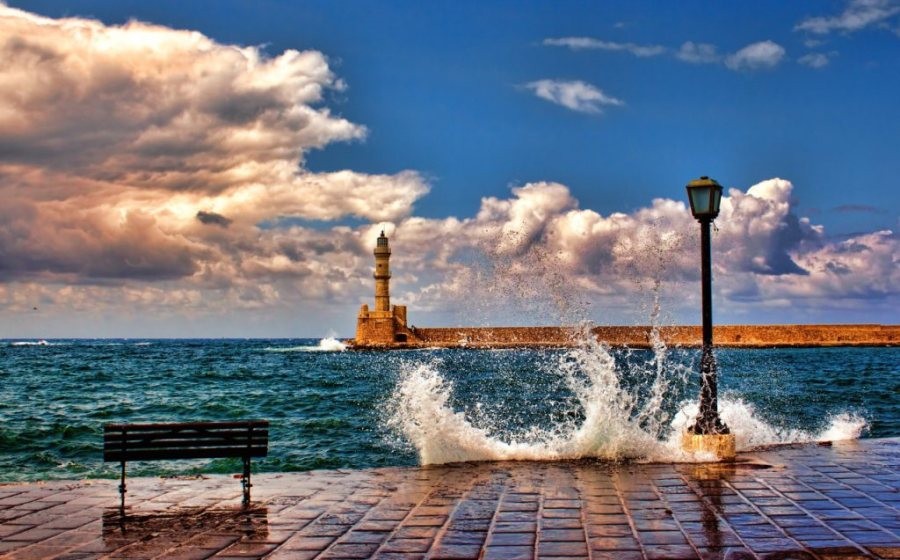
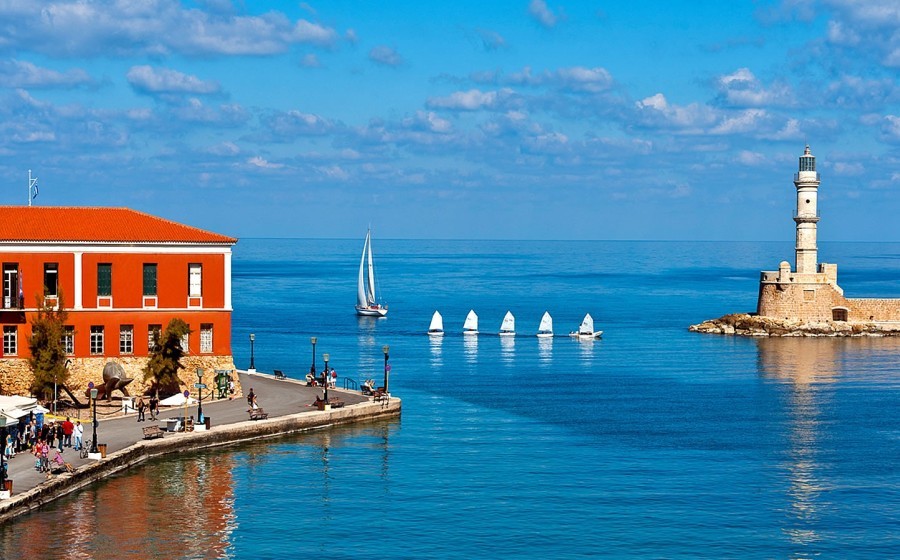
The picturesque Venitian harbour is landmarked by the Venitian Lighthouse. Any time and season of the year is attractive to visitors and locals alike: both for its beauty and for the choices of entertainment for all tastes and demands of visitors. The old city “intramural” districts preserve their Venitian air of nobility. Narrow paved alleys are surrounded with tasteful preserved houses, from various eras, ideal for a pleasant stroll. Furthermore, numerous neoclassical buildings survive at neighbourhoods adjacent to the city proper of Chania, like Halepa. In various parts of the city, the traveler may encounter relics of all cultures that have passed it. Its central region is taken by the hill of Castelli, inhabited since the Neolithic era, its imposing fortification dominating the old harbour. There you will see remnants of the Minoan period.
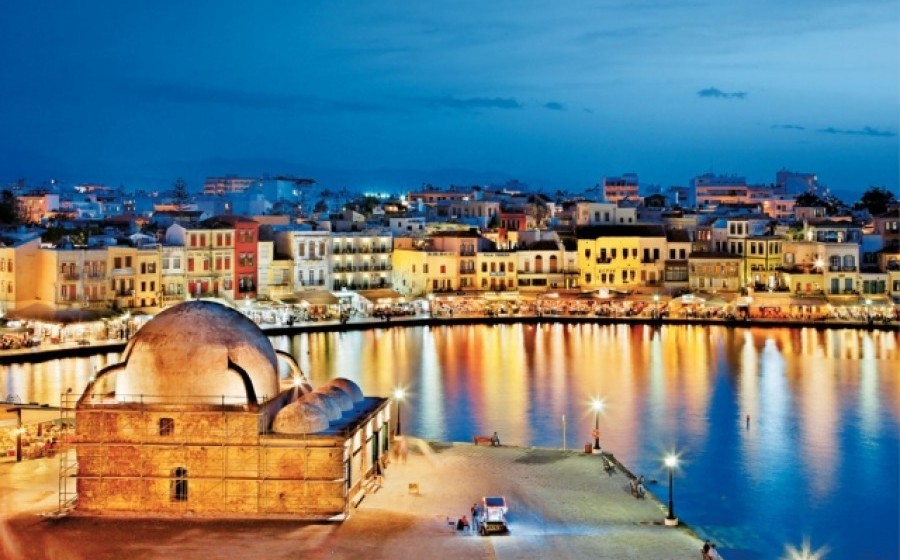
The lighthouse, the old port and the “yalı camiyi’ mosque, with its peculiar spherical domes and arched buttresses, are among the most photographed sights in the world. Near the old Venitian harbor lies Splantzia, the old centre of the Muslim quarter, with its mystifying atmosphere. The picturesque streets boast several taverns. Here lies St. Nicholas, a Venitian church, turned into the city’s central mosque during the Ottoman era. Walking toward the sea and looking across to the beautiful Venitian pier with the Lighthouse, the inner port is lined by the imposing Venitian shipyards dating back to 1497, the “Carnayia”, which once were building war galleys, still today used for repairing cruising and fishing boats. There one will see the great Arsenal, headquarters of the Venitian flagship, currently housing the Centre for Mediterranean Architecture. Do not miss the outstanding Archaeological Museum, the “Tri-martyr” square with the Greek Orthodox and the Roman Catholic Cathedral, the Jewish Synagogue and the forest bastion fortress of Firka, where the flag of the union of Crete with Greece was first flown(1-12 -1913). That is where the Maritime Museum of Crete currently operates.